
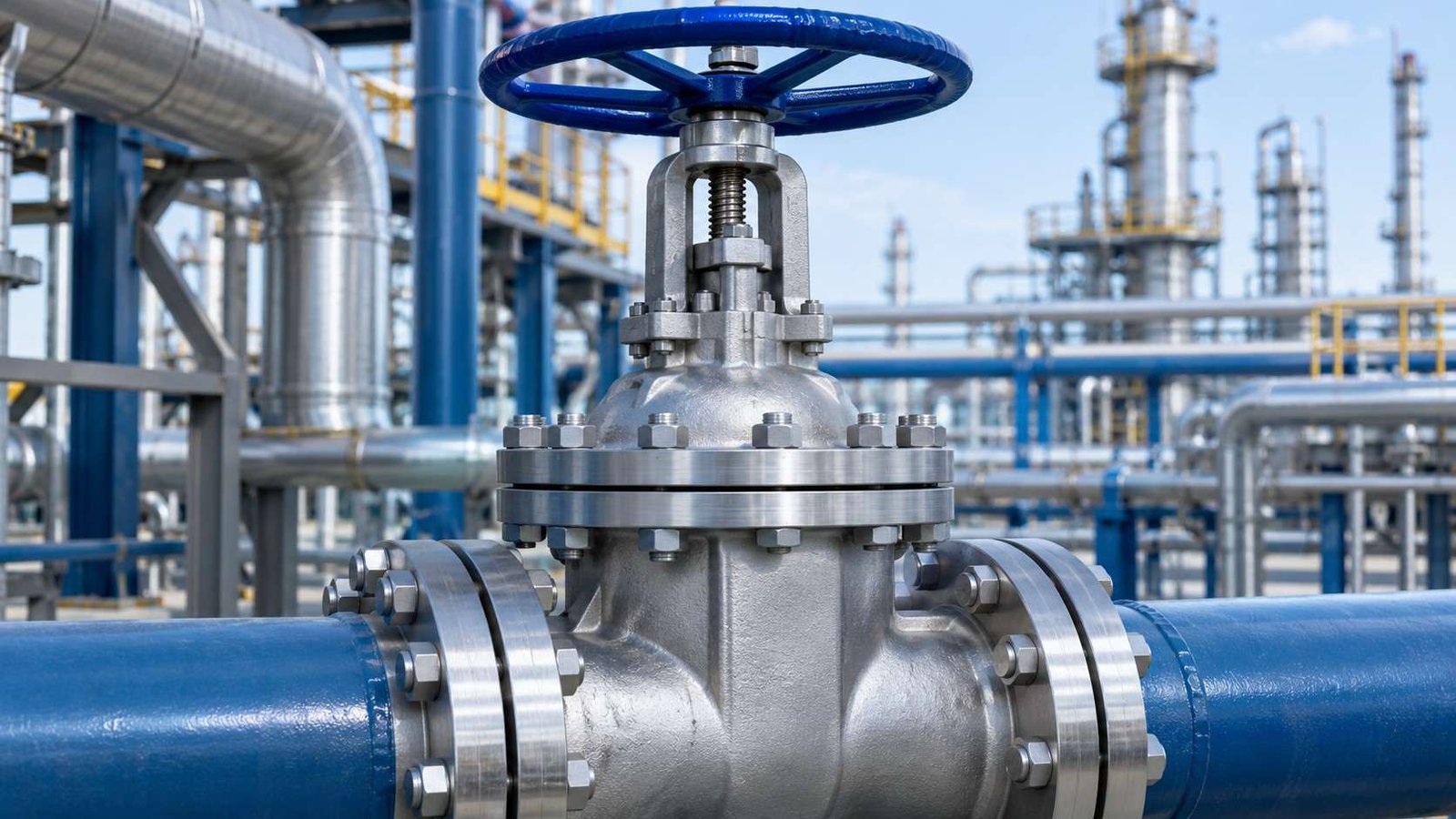
A weeping valve is never a small problem. It can mean lost product, unplanned shutdowns, and safety risks for your crew. Often, one small part causes it: the seal between the valve body and bonnet.
Bonnet Gasket quality decides whether that joint holds under pressure, heat, and vibration. A poorly matched gasket can lose effective sealing over time, creating a potential leak path. The right sealing component protects both uptime and budgets.
Clarion builds precision sealing solutions for exactly this challenge. We build our industrial Bonnet Gasket range to your drawings, so every valve gets a seal suited to its design and operating duty.
Overview of Bonnet Gasket
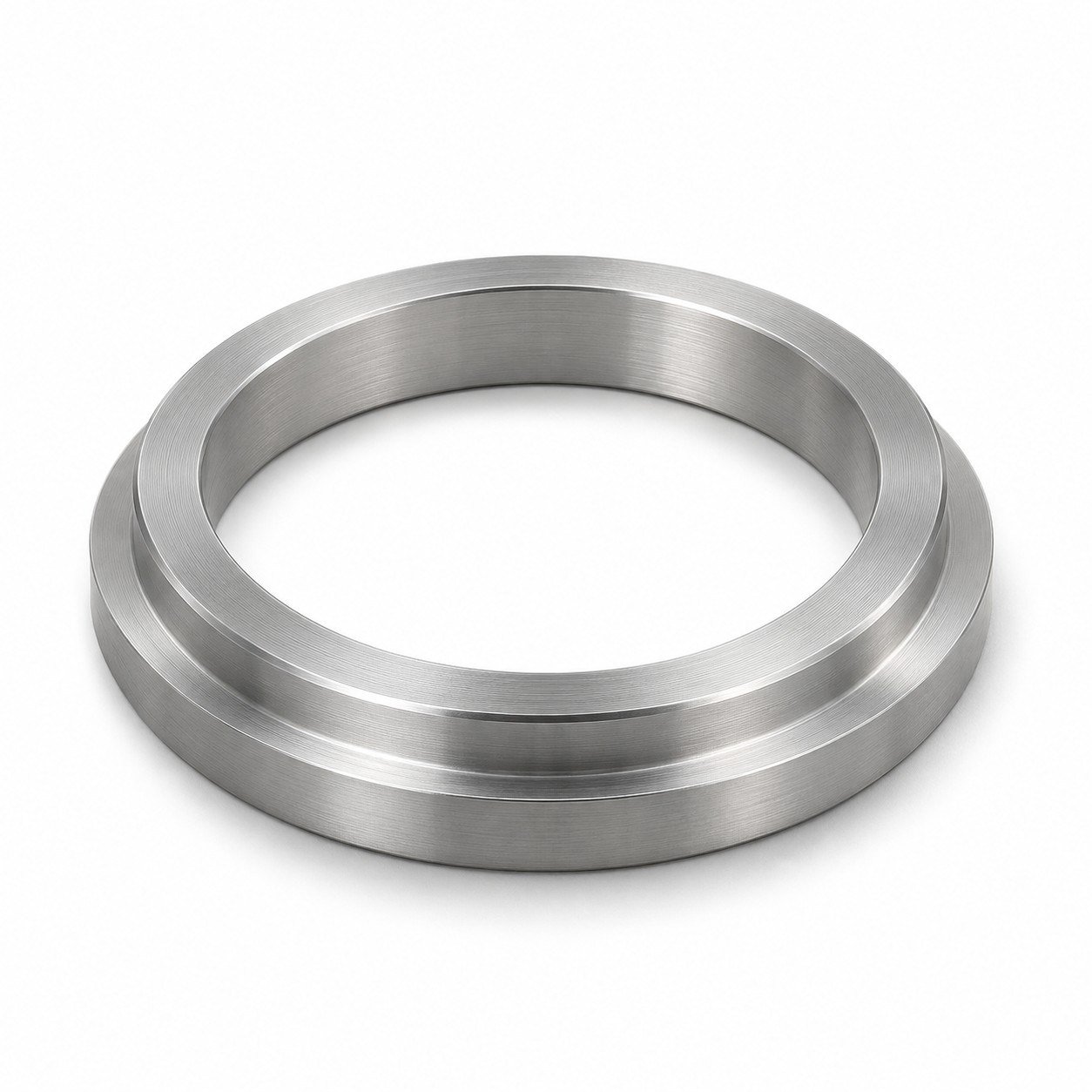
Clarion’s Bonnet Gasket components sit between the valve body and bonnet assembly. Through controlled compression, they create a dependable, low-leakage seal and help protect pressure-boundary integrity in critical piping systems.
We manufacture each gasket to customer-specific drawings. You can choose from a wide range of dimensions, material grades, pressure ratings, and surface finishes, so we can closely match your valve design and operating conditions.
Built to handle high pressure, extreme temperatures, thermal cycling, and vibration, our Bonnet Gasket for industrial applications delivers long service life where downtime is costly.
Key Features
Leak-Resistant Sealing
Controlled compression creates a tight, reliable seal between the valve body and bonnet assembly.
High-Pressure Strength
Engineered to support pressure-boundary integrity in demanding industrial piping systems.
Temperature Resistance
Material and finish options are selected for the required operating temperature range and repeated thermal cycling.
Custom Manufacturing
Made to your drawings, with sizes, grades, pressure ratings, and finishes matched to each valve design.
Corrosion Resistance
Material choices resist corrosion and oxidation, extending service life in aggressive process media and harsh environments.
Vibration Tolerance
Designed to maintain seal stability under flow turbulence and mechanical vibration during continuous operation.
Standards and Compatibility
| S. No | Item | Details |
|---|---|---|
| 01 | Valve design standards | Compatible with valve constructions designed to ASME B16.34, API 600, and API 602 |
| 02 | Dimensions and tolerances | Per customer drawing and project specification |
| 03 | Material specifications | Selected per valve manufacturer requirements and service conditions |
| 04 | Hardness requirements | Matched to service conditions and project needs, where applicable |
| 05 | Surface finish | Specified according to valve design and application |
| 06 | Pressure ratings | Multiple ratings available to suit your valve class |
Coating and Plating Options
| S. No | Finish | Purpose |
|---|---|---|
| 01 | PTFE coating | Improves installation seating, reduces friction, and adds chemical resistance; confirm temperature and service compatibility |
| 02 | Silver plating | Helps prevent galling and supports sealing performance at elevated temperatures |
| 03 | Zinc plating | Provides atmospheric and storage corrosion protection for carbon-steel gaskets; confirm suitability for the intended service temperature |
| 04 | Nickel plating | Adds wear and corrosion resistance in selected demanding environments |
| 05 | Uncoated | Suitable for alloys that already resist the process media and operating conditions |
Bonnet Gasket Material Options
| S. No | Material | Typical Use |
|---|---|---|
| 01 | Stainless steel 304 | General service with moderate corrosion exposure |
| 02 | Stainless steel 316 | Chemical, marine, and chloride-bearing environments |
| 03 | Stainless steel 321 | High-temperature service and repeated thermal cycling |
| 04 | Carbon and low-carbon steel | Cost-effective sealing in non-corrosive, general-purpose lines |
| 05 | Soft iron | Reliable sealing where ductility and easy seating are required |
| 06 | Duplex stainless steel | High strength with strong resistance to stress corrosion |
| 07 | Inconel | Extreme heat and oxidation-prone process conditions |
| 08 | Monel | Seawater, acids, and other corrosive media |
| 09 | Other nickel-based alloys | Severe chemical and high-temperature applications |
Applications

Oil and Gas Production
Seals valves handling high-pressure hydrocarbons in upstream and midstream systems.
Petrochemical Plants
Maintains tight sealing in valves exposed to aggressive chemicals and fluctuating temperatures.
Refineries
Supports safe, continuous operation across high-heat process units and long run cycles.
Power Generation
Handles steam and high-temperature service with constant thermal cycling.
Marine and Offshore Systems
Resists salt-laden air and seawater exposure on platforms and vessels.
Water Utility Networks
Delivers durable sealing in distribution lines, treatment facilities, and industrial manufacturing plants.
Why Choose Clarion as Your Bonnet Gasket Supplier
Clarion is a Bonnet Gasket supplier in Houston, Texas, serving customers who cannot afford leaks. We manufacture to your drawings and specifications. Whether you need an API-compatible Bonnet Gasket or a fully custom design, we focus on fit, material suitability, and consistent quality.
Our team works closely with you to match materials, finishes, and tolerances to your service conditions, helping ensure dependable performance across your valve fleet.
Get Your Quote Today
Searching for a Bonnet Gasket Supplier in Houston or elsewhere in Texas? Tell us about your requirements, and our team will help you choose the right Bonnet Gasket for your valve design. Whether it is for a refinery turnaround or a new build, we are ready to support your timeline.
To prepare your quote, please share:
- A drawing or sketch of the part
- Valve size and pressure rating
- Required material grade, such as 316 stainless, duplex, Inconel, or Monel
- Governing valve standard: ASME B16.34, API 600, or API 602
- Coating or plating preference
- Operating pressure and temperature
- Order quantity and delivery date
- Material test reports and inspection documents you need
Missing a few details? No problem. Send what you have, and we will help you fill in the rest.
Request Your Bonnet Gasket QuoteFrequently Asked Questions
1. How do I choose the right material for high-temperature valve sealing?
Match the alloy to your peak operating temperature, process media, pressure class, and thermal-cycling conditions. Stainless steel 321 and nickel-based alloys such as Inconel are commonly considered for elevated-temperature service.
2. What causes a Bonnet Gasket to fail early?
Common causes include uneven bolt torque, thermal cycling, incorrect material selection, damaged seating surfaces, and chemical attack from the process fluid.
3. Can a Bonnet Gasket be reused after valve maintenance?
Generally, no. Compression can permanently deform the gasket, so installing a new gasket during reassembly is the safest way to restore a reliable seal.
4. How does surface finish affect sealing performance?
A correctly specified finish helps the gasket seat evenly, reduces potential leak paths, and supports sealing performance under controlled compression.
5. What information do I need to order a custom API-compatible Bonnet Gasket?
Share your drawing, valve size, pressure class, material grade, operating conditions, and required quantity. Our team will help confirm any remaining details.
6. How often should a Bonnet Gasket be inspected in industrial plants?
Inspect during scheduled shutdowns and valve overhauls, or sooner if you notice weeping, bolt relaxation, or unexpected pressure drops.